
Book Description
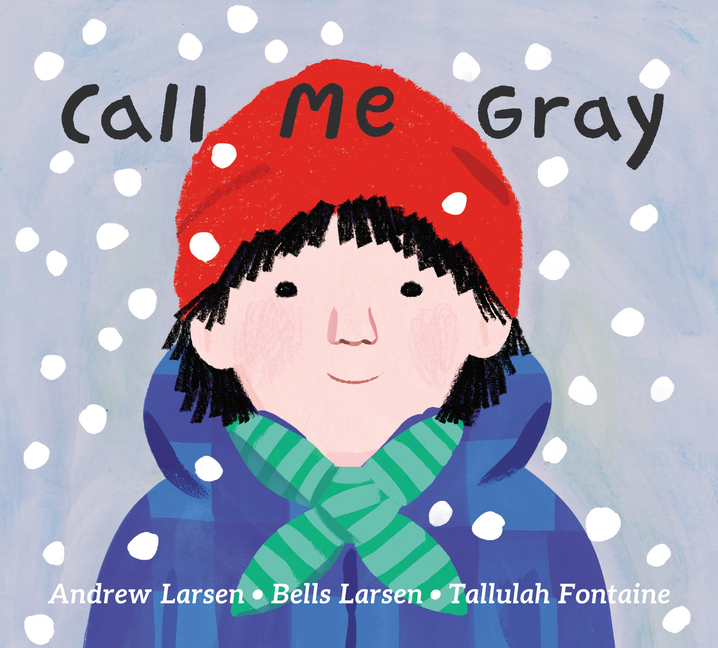
for Call Me Gray by Andrew Larsen and Bells Larsen
From Cooperative Children's Book Center (CCBC)
Every year the young narrator (white) of this story looks forward to building an ice rink in the backyard with their dad. “It’s a tradition. Something we do together. Something that never changes.” The work of staking out the space and shoveling the snow offers the narrator a chance to broach a topic that’s been on their mind. Their best friend is having a girls-only party, and they weren’t invited. “But there’s something more.” The narrator asks if their dad ever feels “mixed up” about who he is or who he wanted to be. Their dad’s answer—that he used to want to be an astronaut—isn’t what the narrator means. “I look like a boy but sometimes I feel more like a girl.” After a moment, their dad takes their hands and responds kindly. “I didn’t know you felt that way… I’m glad you told me.” Later, as the pair floods the freshly packed snow to form the icy surface of the rink, the narrator takes another leap of faith and tells their dad they’d like to be called Gray. It takes a couple of reminders, but by the end of their first skate on their newly frozen rink, Gray’s dad is calling Gray by their chosen name. “It feels warm. It feels right.” This affirming, heartwarming story showcases the courage and trust of a child whose parent gives them space to explore their gender without question.
CCBC Choices 2026. © Cooperative Children's Book Center, Univ. of Wisconsin – Madison, 2026. Used with permission.
